


7 Benefits of Hands-On Learning for Toddlers

Last Updated: October 28, 2026
Quick Summary
Hands-on learning is how toddlers make sense of the world, because they learn by touching, moving, building, and trying things out. Watching alone is not enough at this age. Simple activities like sorting, pouring, building, and matching support their fine motor skills, focus, and problem-solving.
Hands-on learning means children explore through touching, moving, building, and trying things out.
Fine motor skills are the small hand and finger movements used for crayons, pages, and lids.
Keep sensory sessions short and end them while your child is still engaged.
Let your child work out problems, like a falling block tower, before you step in and rebuild.
Praise effort rather than only results so your child keeps trying new things.
Table of Contents
Hands-on learning is how most toddlers make sense of the world, and the research on early childhood development backs that up. Here is what those benefits look like, and how to support them at home.
Why Hands-On Learning Matters in the Toddler Years
Hands-on learning means a child explores through touching, moving, building, and trying things out. Toddlers learn this way because their brains are wired to connect action with understanding. Watching is not enough at this age.
Building Fine Motor Skills Through Everyday Play
Fine motor skills are the small movements of the hands and fingers. Holding a crayon, turning a page, and snapping a lid shut all depend on them.
Sensory Activities for Toddlers That Build Focus
Try a simple bin of dry rice or oats with scoops and small cups. Keep the setup short and rotate materials so the activity stays interesting. Our advice is to end a session while your child is still engaged, not after they have lost interest.
The article suggests a simple sensory setup and keeping sessions short, which looks like this:
Step | What to do | Timing |
Set up | Fill a bin with dry rice or oats | Keep it short |
Add tools | Include scoops and small cups | Rotate materials |
Keep engaged | Stop while your child is still interested | Before they lose interest |
How Toddler Cognitive Development Activities Shape Problem-Solving
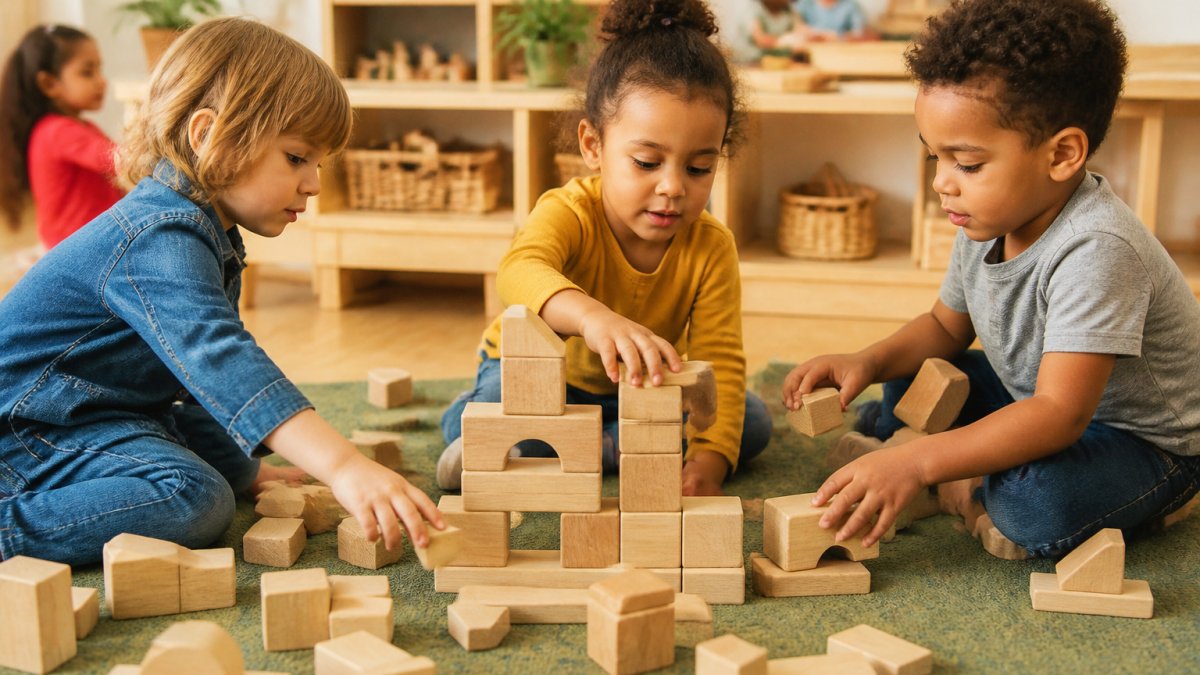
A common mistake is stepping in too quickly. When a block tower falls, let your child figure out why before you rebuild it. Trial and error is the lesson, and the struggle is where the thinking happens.
Hands-On Learning Activities for Toddlers You Can Start Today
Sorting: Separate socks, spoons, or toy animals by color or size.
Pouring: Move water or dry beans between containers of different shapes.
Building: Stack blocks, boxes, or soft cups and talk about what happens.
Matching: Pair lids to containers or pictures to matching objects.
Building Confidence, Language, and Social Skills Through Play
Confidence grows when a child completes a task on their own. The social emotional development milestones by age guide outlines what to expect for confidence, language, and social skills at each stage. Praise the effort, not just the result, so your child keeps trying new things.

Keeping Hands-On Play Safe and Supervised at Home
The Consumer Product Safety Commission publishes toy safety guidance and recall information for U.S. families (Toy Safety Business Guidance). Review it before buying new equipment.
Bringing Hands-On Learning Into Your Toddler's Routine
If you want a structured program alongside play at home, Premier Kids Academy offers a collegiate-based curriculum for children ages 3 weeks to 14 years, and you can apply through our website to learn more. For guidance on getting your child ready, see how to prepare your child for their first day of preschool.
Frequently Asked Questions
What are the benefits of hands-on learning for toddlers?
Hands-on learning lets toddlers explore with their senses and their bodies, which supports how young children naturally learn. Through stacking, pouring, sorting, and building, toddlers practice fine motor control, problem-solving, language, and attention. Because they choose what to touch and try, these activities also build curiosity and confidence. Simple materials from the kitchen or a backyard work just as well as expensive toys, so families can add meaningful learning to everyday routines without special equipment.
How is hands-on learning different from screen time for toddlers?
Hands-on activities ask toddlers to manipulate real objects, which gives them feedback from touch, weight, texture, and cause and effect. Screens usually present passive visuals and sounds with little physical response. Many early childhood experts recommend limiting screen time for children under two and keeping media for older toddlers brief and co-viewed. Playing with blocks, dough, or water while talking with a caregiver builds vocabulary and social skills in ways a screen cannot easily match.
How can caregivers make hands-on activities safe for toddlers?
Choose materials sized larger than a toddler's mouth opening to prevent choking, and check toys for loose parts, sharp edges, and small magnets or batteries. Supervise closely during messy or water-based play, and keep activities away from stairs and hot surfaces. Avoid food-based materials that could be eaten unless they are safe to swallow. Clean up small pieces when play ends, and rotate materials so toddlers stay engaged without overwhelming their space.
Can hands-on learning support toddler development at a childcare center?
Premier Kids Academy, located in Lyndhurst, OH, offers a collegiate-based curriculum for children ages 3 weeks to 14 years. For current program details and enrollment information, visit premierkidsacademy.org.
Comments